

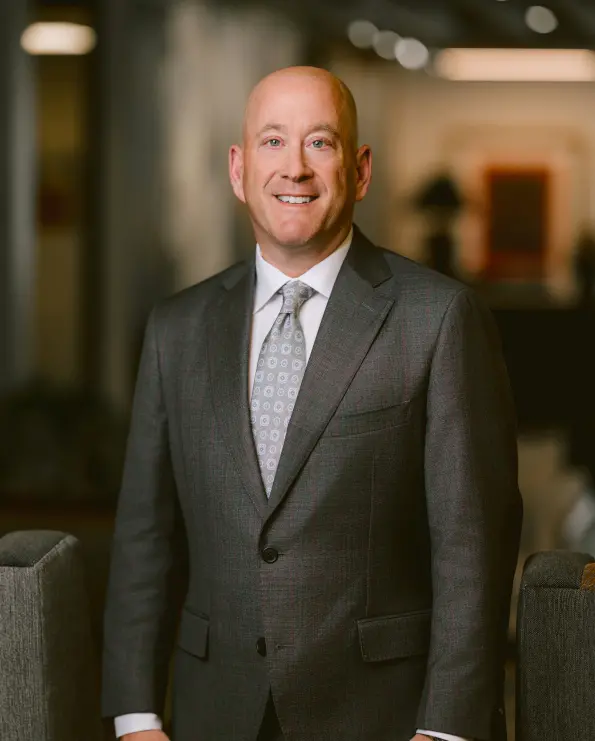
The numbers are no longer abstract. In 2025, older Americans reported nearly $8 billion in internet crimes to the FBI’s Internet Crime Complaint Center. Nearly $4.5 billion of that involved cryptocurrency in some way. And according to Courtney M. Werning, Principal at Meyer Wilson Werning and one of the country’s most credentialed cryptocurrency fraud attorneys, those numbers are trending upward with no sign of slowing.
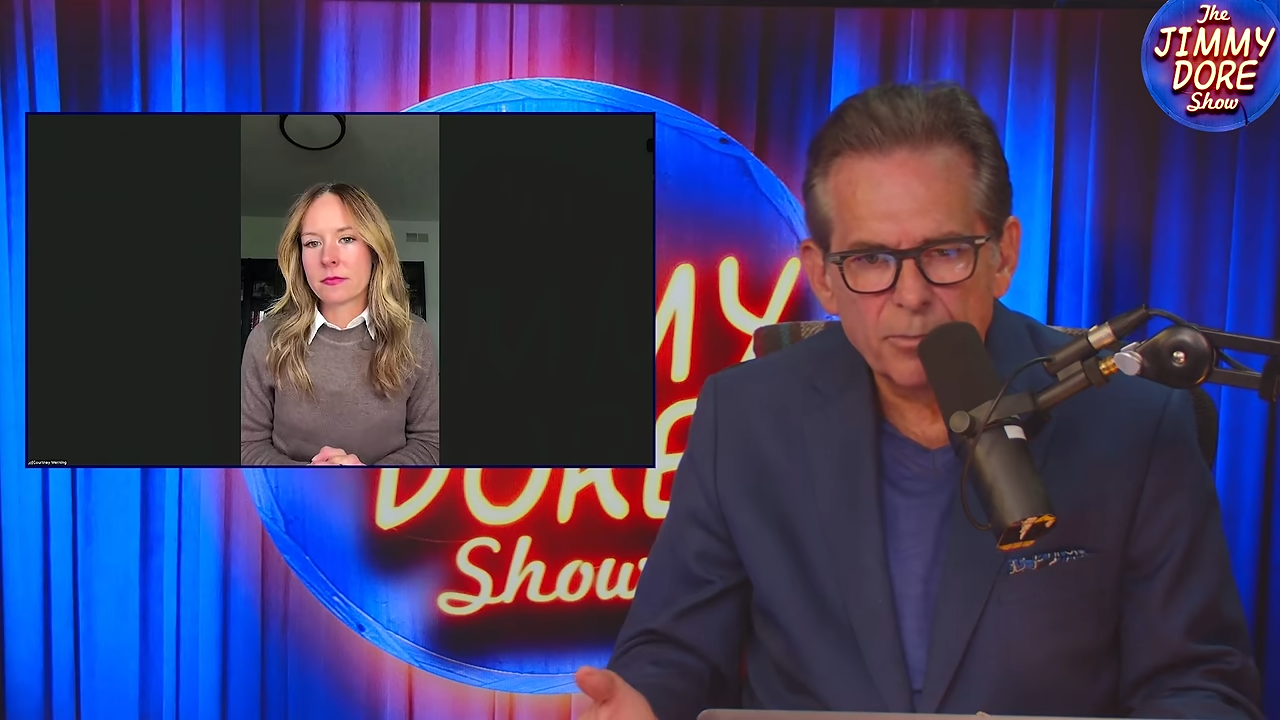
Werning joined The Jimmy Dore Show to lay out exactly what is happening, who is being targeted, how these scams work from the first message to the final theft, and what every family should do before it is too late.
Her message was direct, this is not a problem that affects only the uninformed. It is a public health crisis that has already touched successful business owners, former intelligence agents, engineers, and doctors.
Why Scammers Are Going After Older Investors
The logic is simple, and Courtney Werning stated it plainly on the show. Scammers go where the money is. Older Americans have accumulated retirement savings over decades, and that accumulation makes them the primary target. It is not a reflection of intelligence or caution. It is arithmetic.
Werning has watched the firm’s docket shift dramatically toward what she calls third-party scams, where investors place money into what ultimately turns out to be a fraudulent operation without ever knowing it. The legal angle that Meyer Wilson Werning pursues in these cases is not just against the scammer, who is often overseas and untouchable. It is against the financial institution that allowed the money to walk out the door without intervention.
That shift in the firm’s work reflects a shift in the fraud landscape itself. The traditional cases of broker misconduct and unsuitable investments still exist. But the wave of AI-enabled, crypto-fueled confidence schemes targeting older Americans has become, in Werning’s words, something that keeps her busy all day, every day.

We Have Recovered Over
$350 Million for Our Clients Nationwide.
Why Cryptocurrency Makes This Fraud Almost Impossible to Reverse
Werning was candid about the structural challenge cryptocurrency creates for victims and for law enforcement. Once stolen funds move through cryptocurrency, they may pass through thousands of wallets. The trail becomes untraceable. The irreversibility of crypto transactions means there is often no mechanism to claw back what was taken.
“Crypto is sort of a scammer’s paradise,” she told the show’s host. “It’s irreversible and it’s essentially anonymous. You’ll never find the money again.”
That reality redirects Werning’s focus toward prevention rather than recovery after the fact, and toward the financial institutions that were supposed to serve as a checkpoint before money left in the first place. Banks and brokerage firms have trained compliance departments and legal obligations to flag suspicious transactions. When they fail to act, there may be legal accountability for the losses that follow.
The Government Impersonation Variant That Is Devastating Seniors
Pig butchering is not the only fraud pattern Werning sees. A particularly destructive variant involves scammers posing as government agencies or federal law enforcement.
Werning described a case she handled involving a 93-year-old woman who lost $1.5 million. The woman believed she was working with the FBI. She believed she was helping them dismantle a criminal enterprise. She was told her cooperation was essential and that she would recover everything she contributed.
None of it was real.
Werning noted that this generation of older Americans carries a deep, long-standing trust in government institutions, and scammers exploit that trust deliberately. The social engineering is precise. It is not that victims are credulous. It is that the manipulation is engineered specifically to exploit the values and trust frameworks of the people being targeted.
She also raised the growing threat of deepfake technology and AI voice cloning. Scammers can now take audio from a public YouTube video and clone a voice with startling accuracy. A grandmother receives a phone call that sounds exactly like her grandchild asking for emergency funds. Without a family code word established in advance, there is no easy way to verify the call is fraudulent before the damage is done.
Our lawyers are nationwide leaders in investment fraud cases.
If It Has Already Happened, Here Is What to Do
Werning closed the interview with a message aimed directly at people who have already been victimized, and at the shame that often silences them.
“It’s really not your fault,” she said. “You fell for something that was carefully crafted to get you and gets hundreds of thousands of people every year.”
Her clients include people who by every measure should be impossible to fool. Successful business owners. A former CIA agent. Engineers and doctors. Fraud does not target stupidity. It targets human psychology, and the scripts these operations run are tested, refined, and effective.
If you or a family member has been victimized, Werning’s advice was clear: report it to the FBI at ic3.gov, file a police report, and contact a securities attorney to understand whether a financial institution’s failure to act created a path for legal recovery. Acting quickly matters. Time and delay work both for and against victims, depending on whether a hold can still be placed.
Meyer Wilson Werning handles cryptocurrency fraud and investor protection cases on a pure contingency fee basis. Clients pay nothing unless the firm recovers money on their behalf. The firm has recovered over $350 million for investors and fraud victims nationwide since 1999.
Contact us today for a free and confidential consultation.
We Are The firm other lawyers
call for support.
Frequently Asked Questions

What is a pig butchering scam and how do I recognize it before it is too late?
A pig butchering scam begins with unsolicited contact through social media, text, or messaging apps. The scammer builds a relationship over weeks or months before ever mentioning an investment. When an investment is introduced, fake returns are displayed on an AI-generated platform designed to look legitimate. The warning signs include unsolicited contact from a stranger, pressure to move money to an unfamiliar platform, and early “profits” that seem to confirm the investment is working.
Why is cryptocurrency so difficult to recover once it is stolen?
Cryptocurrency transactions are irreversible and can pass through thousands of anonymous wallets. Law enforcement cannot cross international boundaries to claw back funds the way they might in traditional wire fraud cases. Once the money moves through crypto and the trail is broken, recovery through law enforcement alone is rarely possible. Civil litigation against the financial institution that processed the transfer may offer a separate path.
Who are the typical victims of these crypto scams?
There is no typical victim. Courtney Werning’s clients include successful business owners, a former CIA agent, engineers, and doctors. Older Americans are disproportionately targeted because they have accumulated savings, but intelligence and professional accomplishment provide no protection. These scams are engineered to exploit trust and human psychology, not ignorance.
What is a trusted contact and how do I add one to my account?
A trusted contact is an emergency contact on a brokerage account, not a power of attorney. They cannot make decisions about the account. What they can do is receive a call from the financial institution if something suspicious is happening, allowing a temporary hold to be placed while questions are asked. Contact your brokerage directly to add or update a trusted contact. Firms have been required to make reasonable efforts to collect this information since 2018.
What should I do if I think I have already been scammed?
Stop sending money immediately. Preserve every record you have, including messages, platform screenshots, and transaction records. Report the fraud to the FBI at ic3.gov and file a local police report. Contact your bank or brokerage firm to flag the account. Then speak with a securities attorney about whether the financial institution that processed the transfers had an obligation to stop them.
Recovering Losses Caused by Investment Misconduct.