


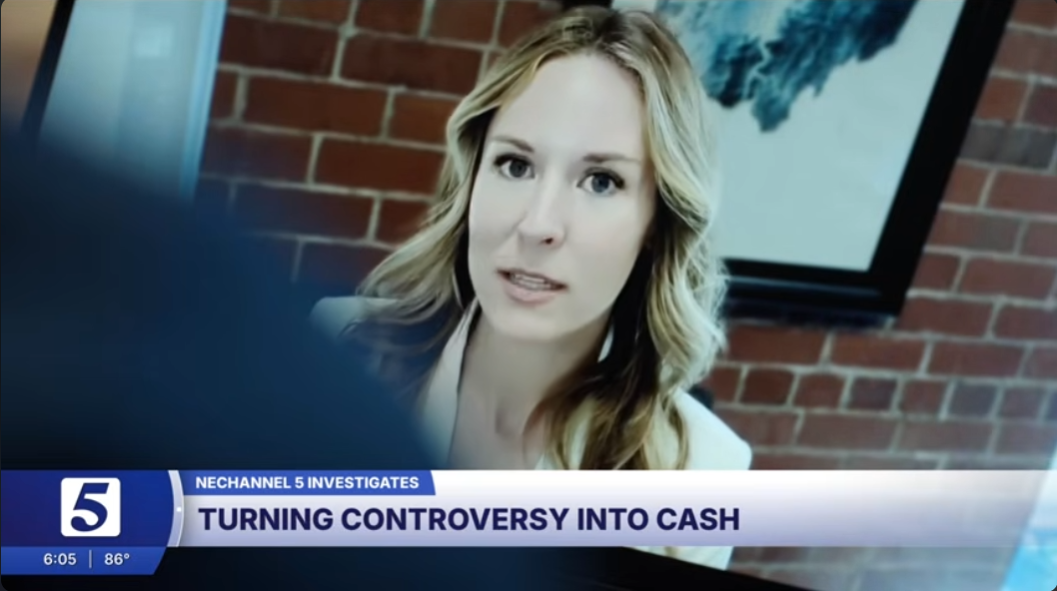
Courtney Werning, attorney and partner at Meyer Wilson Werning, appeared on NewsChannel 5 Investigates to break down one of the more striking examples of how the meme coin economy works and who gets hurt when it collapses.
The segment focused on Dalton Eatherly, known online as “Chud the Builder,” a Pump.fun streamer who built a meme coin around viral controversy and watched it hit a market cap of just over $4 million before imploding in the wake of his May 13 arrest on attempted murder charges. Werning was brought in specifically to explain the psychology and structure behind coins like this, and what retail investors are actually signing up for when they put real money into a platform like Pump.fun.
What Is Pump.fun and How Does Meme Coin Fraud Take Root There?
Pump.fun allows virtually anyone to create a cryptocurrency coin and attach real-money trading to it, with no barrier to entry and no meaningful regulatory oversight. For creators, the incentive is straightforward: generate attention, drive traffic, and watch the coin’s price climb.
According to a NewsChannel 5 investigation, Eatherly posted clips from his live streams on Pump.fun while promoting his Chud the Builder meme coin. Virtually every clip, many containing racist language and inflammatory content, displayed his Pump.fun handle at the bottom of the screen. He made no secret of how it worked: “Creator rewards are paying my bills. They’re funding the movement.”

We Have Recovered Over
$350 Million for Our Clients Nationwide.
How Meme Coins Work: The Psychology Behind the Investment
Courtney Werning, attorney and partner at Meyer Wilson Werning, leads the firm’s cryptocurrency and emerging fraud practice through Crypto.court. She explained the pull of meme coin investing plainly.
“The people who are investing in this get a dopamine hit of watching a number go up,” Werning said.
The appeal is not careful analysis of underlying value. It is the manufactured thrill of watching a number climb in real time, one that coin creators engineer deliberately to crowd out risk assessment. In the vast majority of meme coin cases, the coin collapses and the people who bought in last are left with the losses.
Key Points: Chud the Builder Update
- Eatherly owned approximately 3% of his own coin, giving him a direct financial stake in driving up the price. The practice of using artificial attention to inflate an asset’s price before retail investors absorb the loss is a pattern the law recognizes as market manipulation, and it is not unique to crypto.
- The coin reached a market cap of just over $4 million at its peak
- That peak came on the video in which Eatherly described shooting Joshua Fox outside the Montgomery County Courthouse in Clarksville, Tennessee
- Fox was airlifted to Vanderbilt University Medical Center and underwent lifesaving surgery
- Eatherly was arrested on May 13 and faces more than 60 years in prison on attempted murder charges
- Within days of his arrest, the coin plunged by millions of dollars
Our lawyers are nationwide leaders in investment fraud cases.
Meme Coin Losses and the Limits of the Pump.fun Investor Risk Model
When the coin collapsed, investors were left holding an asset that had shed virtually all of its value. This is the defining pattern of meme coin losses: the upside flows to the creator and early holders, while retail investors who arrive mid-hype absorb the damage.
Courtney described the reality without flinching: “If you can’t afford to set your money on fire and laugh about it, then you should not be putting it into a coin like this, because functionally that’s basically the same thing.”
The coin’s value peaking on the very video in which Eatherly described the shooting is not incidental. It is a direct illustration of how the meme coin economy can reward escalation at the direct expense of investors who were never given the full picture.
We Are The firm other lawyers
call for support.
What Investors Who Suffered Meme Coin Losses Should Know
Meme coin fraud is one part of a much broader crypto fraud landscape that Courtney Werning covers through Crypto.court, Meyer Wilson Werning’s dedicated cryptocurrency claims platform. If a licensed broker, financial advisor, or other financial professional was involved in your losses, contact us today for a free and confidential consultation.
Frequently Asked Questions

What is meme coin fraud and how does it happen?
Meme coin fraud occurs when a creator uses hype, manufactured community, or viral content to drive investment with no underlying value supporting the coin’s price. When attention stops, the coin collapses and retail investors absorb the losses.
What are the biggest viral crypto investing risks I should know about?
The most significant Pump.fun investor risks include creator concentration, the absence of any underlying value, sudden collapse when hype fades, and the emotional manipulation that meme coin investing relies on. If losing the entire investment would cause real financial harm, meme coins carry risks that most platforms do not adequately disclose.
Can I recover money from meme coin losses?
Recovery is possible in cases where a licensed broker, financial advisor, or other financial professional was involved in directing funds into meme coins or speculative crypto assets. An experienced crypto investment fraud attorney can evaluate whether that element is present in your situation.
Can I recover money from meme coin losses?
Courtney Werning is an attorney and partner at Meyer Wilson Werning who leads the firm’s crypto fraud practice through Crypto.court. She is a current PIABA board member, chairs PIABA’s arbitration committee, serves on FINRA’s National Arbitration and Mediation Committee, and is on track to become PIABA’s president in 2027.
Recovering Losses Caused by Investment Misconduct.