

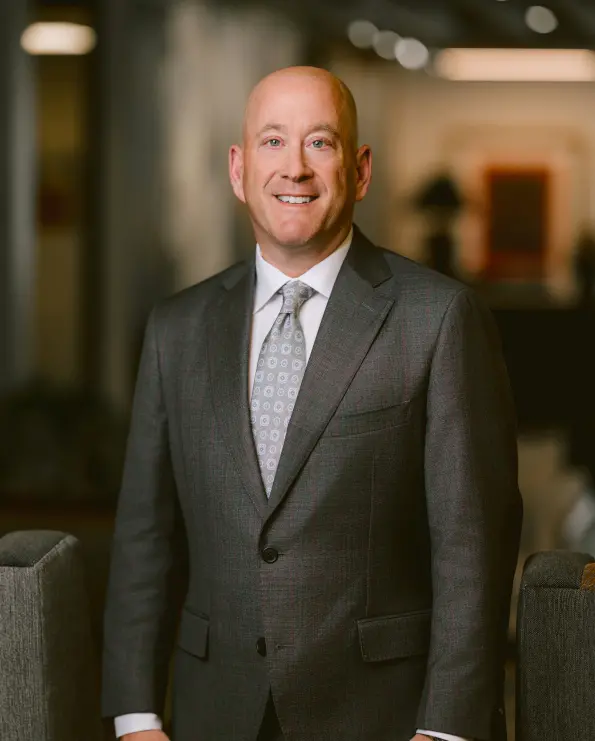
On May 5, 2026, Parmjit “Paul” Parmar was sentenced to federal prison after pleading guilty to conspiracy to commit securities fraud. Parmar admitted using falsified bank records, fictitious customers, and inflated valuations to raise more than $212 million from investors in connection with a take-private transaction on the London Stock Exchange’s Alternative Investment Market. The company collapsed into bankruptcy. More than $125 million in restitution has been ordered.
If a licensed financial professional, broker, or advisor facilitated your investment in this matter, the securities litigation attorneys at Meyer Wilson Werning can help evaluate whether your losses are the result of actionable misconduct. Contact us today for a free and confidential consultation, and you pay nothing unless we recover for you.
How the $212 Million Fraud Was Built
According to court filings, from May 2015 through September 2017, Parmar and his co-conspirators raised approximately $212.5 million to fund a transaction to take a publicly traded healthcare services company private on the London Stock Exchange’s AIM. The raise included $82.5 million from a private investment firm and $130 million from a consortium of financial institutions.
The pitch was supported by doctored records and revenue figures that did not reflect real operating results. Parmar and his co-conspirators fabricated subsidiary income, created fictitious customers, and altered bank statements to manufacture the appearance of legitimate cash flow. Prosecutors described a plan that used polished presentations and engineered financials to suggest growth while masking the company’s actual condition.
References to co-conspirators Sotirios “Sam” Zaharis and Ravi Chivukula appear in charging documents. Any misconduct attributed to others remains subject to the allegations in those filings unless and until proven in court.

We Have Recovered Over
$350 Million for Our Clients Nationwide.
The Sentencing: 5 Years in Prison and $125 Million in Restitution
On May 5, 2026, U.S. District Judge Madeline Cox Arleo sentenced Parmar to 60 months in federal prison, followed by three years of supervised release. Parmar was also ordered to pay more than $125 million in restitution to investors harmed by the scheme.
The fraud surfaced in September 2017 when Parmar and his co-conspirators resigned or were terminated from the company. On March 16, 2018, the company and numerous affiliated entities filed for bankruptcy. According to bankruptcy filings, the fraud was cited as a central cause of the collapse. Investors had valued the company at more than $300 million to support the take-private structure.
The FBI’s investigation, including work by its Forensic Accountant Support Team, supported the prosecution and restitution order.
Red Flags That May Signal Investment Fraud
This case illustrates how sophisticated financial misconduct can go undetected for years. Investors, especially those who depend on savings for retirement income, can reduce exposure by watching for these warning signs:
- Unsuitability: A recommendation that does not match your risk tolerance, investment timeline, or financial profile
- Lack of liquidity: Hard-to-exit structures or investments with unclear redemption terms
- Overconcentration: Excessive exposure to a single issuer, sector, or strategy
- Selling away: Investments sold outside the supervision of a registered firm
- Falsified or unverifiable records: Bank statements, financials, or subsidiary performance that cannot be independently confirmed
- Opaque subsidiaries: Entities whose income or operations are described but not verifiable
- Pressure to decide quickly: Any urgency that discourages due diligence
If you observe these indicators, preserve your records and consult counsel promptly. FINRA Rule 2111 (suitability) and FINRA Rule 3110 (supervision) establish the standards brokers and firms must meet.
Our lawyers are nationwide leaders in investment fraud cases.
How to Pursue Recovery After Investment Fraud
Investors who suffered losses connected to this matter may have civil claims separate from the criminal restitution process. Targeted arbitration or litigation can often move faster than class actions and may better address individual loss amounts.s
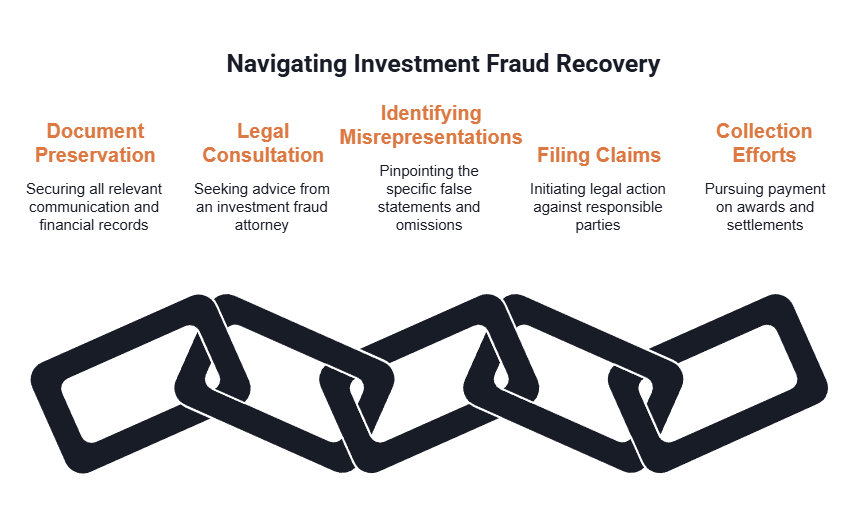
Steps to take now:
- Secure all emails, texts, offering materials, account statements, and performance reports
- Consult an investment fraud attorney for a case review and damages analysis
- Identify the specific misstatements and omissions that caused your losses
- File claims against all responsible parties in arbitration or court
- Pursue collection on any awards, settlements, or restitution orders
For additional guidance, see the CFTC’s Signs of Fraud resource.
We Are The firm other lawyers
call for support.
How Meyer Wilson Werning Can Help
Parmar’s sentencing and the court-ordered restitution confirm the scale of what investors were exposed to. For those who lost money in connection with this matter, the path forward depends on identifying every available avenue for recovery, including civil claims tied to specific misrepresentations, falsified records, and the misuse of proceeds.
With more than $350 million recovered for investors nationwide, Meyer Wilson Werning has spent over 25 years holding the people and institutions behind investment fraud accountable. If you suffered losses connected to Parmjit “Paul” Parmar, a related entity, or a licensed financial professional who recommended this investment, contact us today for a free and confidential consultation. You pay nothing unless we recover for you.
Frequently Asked Questions
What did Parmjit “Paul” Parmar do?
Parmar pleaded guilty to conspiracy to commit securities fraud. According to his guilty plea and court records, he admitted that falsified bank records, fictitious customers, and inflated valuations were used to raise more than $212 million from investors and hide the company’s true financial condition.
What was the sentence?
Parmar was sentenced to 60 months in federal prison, three years of supervised release, and ordered to pay more than $125 million in restitution.
Can investors recover money beyond the restitution order?
Yes. Court-ordered restitution and civil claims are separate processes. Investors may pursue civil claims for misrepresentation, omissions, and misuse of proceeds in arbitration or court, against all responsible parties in the chain of the transaction.
What role did brokers or advisors play?
If a licensed financial professional recommended this investment to you, that person may have independent liability under FINRA’s suitability and supervision rules, regardless of the criminal outcome against Parmar.
How do I start a claim?
Preserve all records related to your investment, then contact an investment fraud attorney for a case review. Experienced counsel can identify the strongest claims, calculate damages, and file before applicable deadlines expire.
Recovering Losses Caused by Investment Misconduct.