

The 9/11 Victims Compensation Fund was built for the people who paid the heaviest price on September 11, 2001. First responders who ran toward the fire. Cleanup workers who spent weeks in the toxic debris. Families who lost someone and needed help rebuilding. That fund exists for one reason, to provide financial relief to people who have already endured the unthinkable.
Scammers have found a way to turn it into a weapon against them.
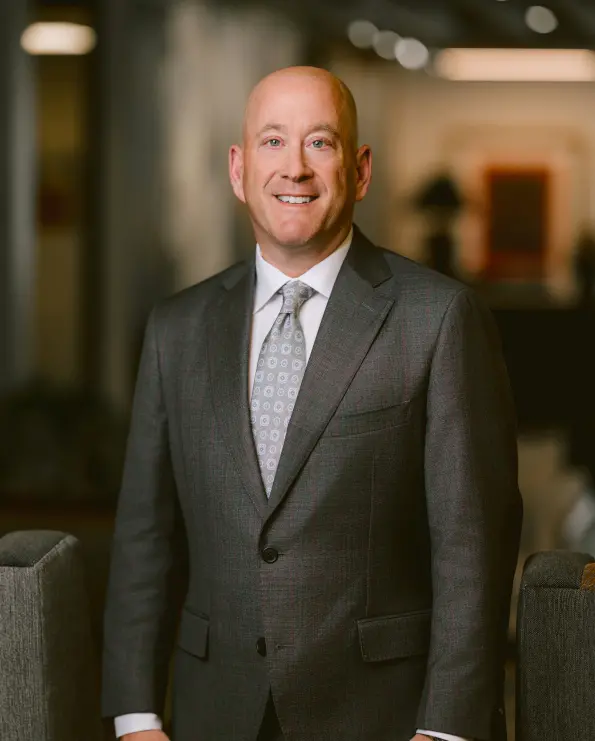
David P. Meyer, founding partner of Meyer Wilson Werning and one of the country’s leading investment fraud attorneys, appeared on FOX LiveNOW on the 25th anniversary of the September 11 attacks to explain what is happening right now to 9/11 victims and their families.
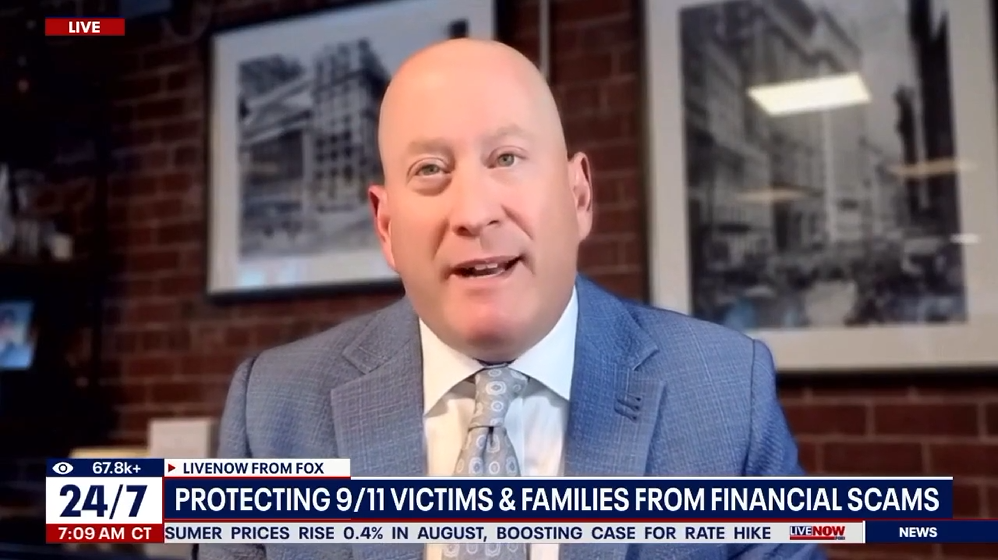
Why Scammers Are Targeting 9/11 Victims and Their Families
The answer, according to Meyer, is straightforward, scammers follow the money.
Recipients of the 9/11 Victims Compensation Fund receive significant sums deposited directly into their bank accounts. Scammers know this. Anyone who receives a large lump sum, whether from a fund payment, a 401(k) rollover, an inheritance, or any other windfall, becomes a target. The 9/11 community is not being targeted because its members are naive or careless. They are being targeted because they have money.
“These scammers aren’t looking for foolish people,” David Meyer told the LiveNOW from FOX anchor. “They’re looking for people that have money.”
That distinction matters. The first instinct for most fraud victims is to blame themselves. Meyer pushed back on that directly and consistently. The fault belongs entirely to the criminals running these operations, not the people they deceive.

We Have Recovered Over
$350 Million for Our Clients Nationwide.
How the Imposter Phone Call Scam Actually Works
The Federal Trade Commission and the Federal Communications Commission have both issued formal alerts about scams specifically targeting recipients of the Victims Compensation Fund. Here is how these schemes operate in practice.
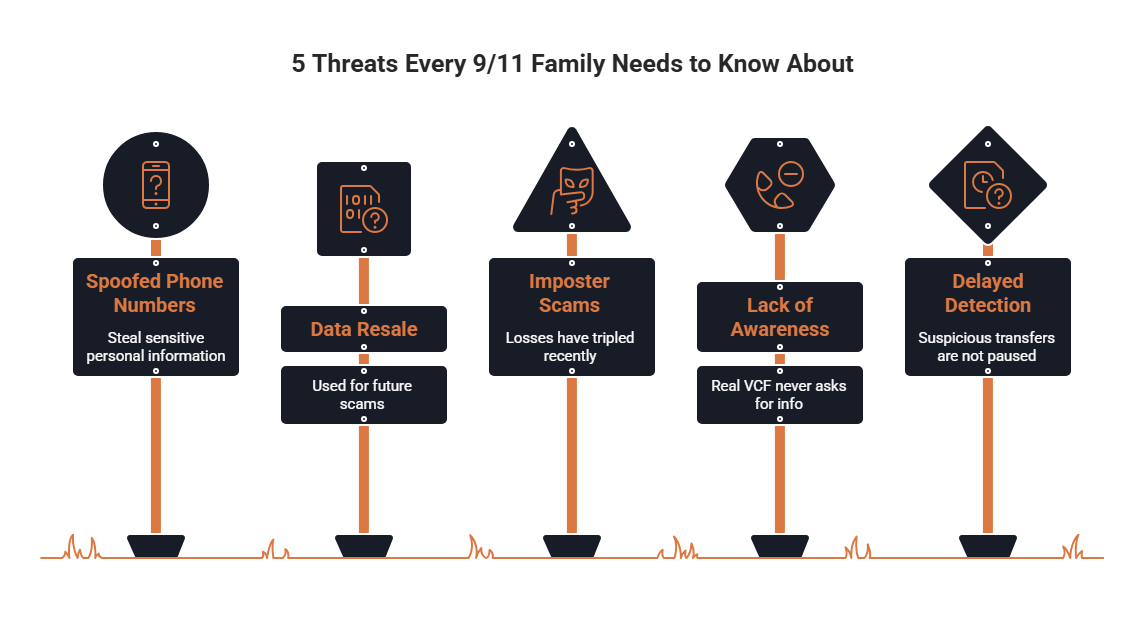
Scammers spoof New York area codes to make the call appear local and credible. They claim the recipient is entitled to additional money from the fund. The call can feel legitimate because VCF recipients do receive real communications from the fund. What separates a real VCF contact from a fraudulent one is this: the actual Victims Compensation Fund will never ask a recipient for their Social Security number, credit card number, or bank account details over the phone. Fraudsters, on the other hand, may request personal and financial information to move forward. They may try to get:
- Social Security numbers
- Credit card numbers
- Medical information and disease diagnosis details
- Personal financial information
With that data, a fraudster can open bank accounts in the victim’s name, take out loans, or access existing accounts directly. At that point, the victim has become a target of identity theft without ever realizing it happened.
But the scheme rarely stops there.
The Recovery Scam That Hits Victims a Second Time
Once a victim’s personal and medical information has been harvested, that data has resale value. Scammers sell it to other criminal operators.
Two or three months later, the same victim receives another call. This time, the caller already has all of their information. The caller knows their name, their medical history, their financial situation. That depth of knowledge is used deliberately to build trust quickly.
Then the pitch arrives. The caller claims to represent the FBI, a bank, or law enforcement. They tell the victim they are aware of the earlier fraud and that, if the victim cooperates, they will help recover the stolen money.
This is called a recovery scam. It is a second fraud layered directly on top of the first, designed to hit people who have already been victimized once.
“It just gets worse and worse,” Meyer said during the broadcast. “It’s really, really horrific.”
Our lawyers are nationwide leaders in investment fraud cases.
These Are Not Isolated Criminals. They Are International Crime Syndicates.
One of the most critical things Meyer communicated during his FOX appearance is how severely most people underestimate the operations behind these scams.
Gone are the days of poorly written emails full of grammar errors and suspicious links. The fraud infrastructure operating today is sophisticated, well-funded, and international in scale. These organizations use databases, AI-generated content, detailed scripts, and precision targeting. They have built entire workflows around moving stolen funds through cryptocurrency precisely because digital assets are difficult to trace once transferred.
“These are not just random yahoos sitting in a basement somewhere in the Midwest,” Meyer said. “These are sophisticated international crime operations that are well-funded, and they’re making billions and billions of dollars.”
Losses from imposter phone call scams, the category that includes VCF-targeted fraud, have tripled in the last three years. That number is not leveling off.
We Are The firm other lawyers
call for support.
What Every 9/11 Family Should Do Right Now
Meyer offered specific, actionable guidance during his appearance that every 9/11 family member should know.
- If you receive a call from someone claiming to represent the Victims Compensation Fund, hang up immediately. Then call the VCF directly using a number you have verified through official channels, not one provided by the caller.
- If you receive an email that appears to come from your bank, do not click any links in it. Navigate directly to your bank’s app or website.
- Add a trusted contact to your brokerage account. This is a designated person, such as an adult child, sibling, or close friend, whom the brokerage can reach if something looks suspicious. Time and delay are among the most effective defenses against fraud, and a trusted contact creates a built-in pause.
- Never respond to unsolicited texts, voicemails, Instagram messages, or LinkedIn posts that seem suspicious or promise unexpected money.
- If you believe you have already been targeted, report it to the FBI at ic3.gov, file a local police report, contact your bank or brokerage firm immediately, and then consult with a securities attorney.
When a Financial Institution Fails to Stop Fraud, Legal Options Exist
Awareness and prevention are the first line of defense. For families who have already suffered losses, the legal conversation does not end with a police report.
Brokerage firms and financial institutions are trained and required to recognize the warning signs of fraud. Unusual transfer destinations, large wire requests, clients who suddenly appear to be reading from a script, these are all red flags that compliance departments are supposed to catch. When a firm processes a transfer that should have been stopped, they may bear legal liability for what follows.
Meyer Wilson Werning has recovered over $350 million for investors and fraud victims since 1999. The firm handles cases on a pure contingency fee basis. Clients pay nothing unless the firm recovers money on their behalf. Every case turns on its own facts, but for victims whose losses involve a brokerage or financial institution that failed to act, there is often more that can be done than they initially believe.
Contact us today for a free and confidential consultation.
Frequently Asked Questions

How do I know if a call from the 9/11 Victims Compensation Fund is real or a scam?
The real Victims Compensation Fund will never ask for your Social Security number, credit card number, or bank account information during an unsolicited phone call. If a caller requests any of that information, hang up and contact the VCF directly using a number you have independently verified through official sources.
What is a recovery scam and how does it target fraud victims a second time?
A recovery scam occurs after a victim has already been defrauded once. Criminals purchase the victim’s stolen data and use it to impersonate the FBI, local law enforcement, or a financial institution. They tell the victim they are aware of the earlier fraud and offer to help recover the stolen money. In reality, they are running an entirely separate fraud on the same person, often for much larger amounts.
Can I take legal action if my brokerage firm processed a fraudulent transfer?
Brokerage firms have specific legal obligations to protect client assets and flag suspicious activity. When a firm fails to stop a transfer that shows clear warning signs of fraud, it may bear legal responsibility for the resulting losses. An investment fraud attorney can review the facts of your case and advise on whether legal action is appropriate.
What are the first steps I should take if I have already been victimized?
File a report with the FBI at ic3.gov, file a local police report, contact your bank or brokerage firm to halt any further transactions, and then speak with a securities attorney. Acting quickly is important, because time and delay are both the scammer’s tools and your defenses.
Why do so many fraud victims blame themselves for what happened?
Because scammers engineer exactly that reaction. These operations use data, artificial intelligence, and sophisticated social scripts to build trust over time. The fraud targeting 9/11 families today comes from professional criminal organizations, not opportunistic amateurs. The responsibility belongs entirely to the people running these schemes.
Recovering Losses Caused by Investment Misconduct.