


The GUARD Act, formally titled the Guarding Unprotected Aging Retirees from Deception Act, is a proposed federal bill (H.R. 2978) introduced during the 119th Congress. The legislation is designed to address pig butchering scams and other relationship-based cryptocurrency fraud schemes that have led to major losses for American investors, with older adults and retirees often affected most.
As of now, the bill remains in committee, and it is not yet clear whether it will be enacted. In the meantime, the broader cryptocurrency fraud issue continues to affect investors regardless of the bill’s status.
What Is the GUARD Act?
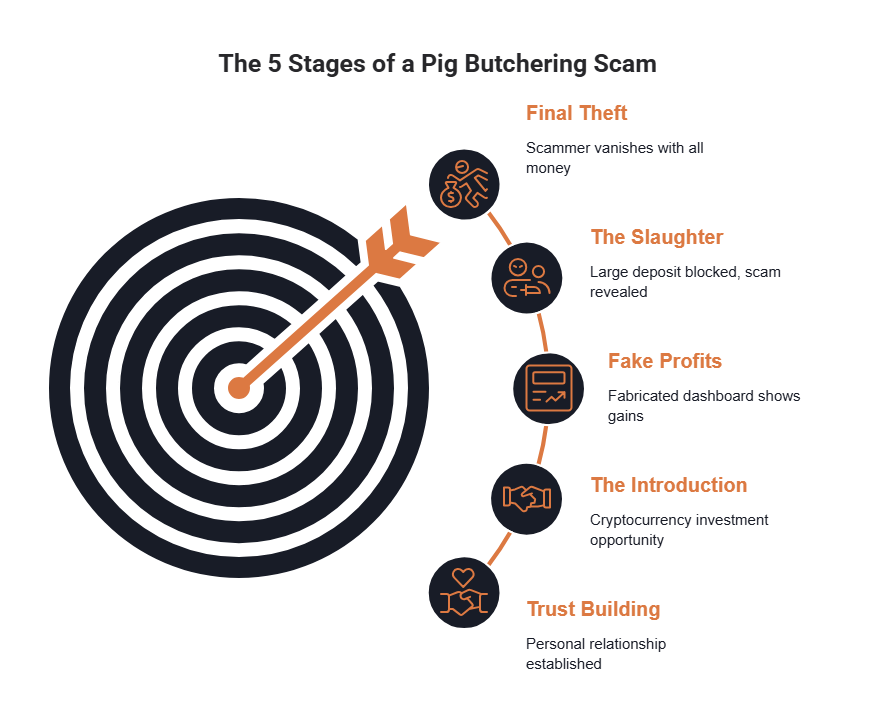
The GUARD Act (H.R. 2978) was introduced in the 119th Congress during the 2025-2026 session. The bill is a direct response to the dramatic rise in pig butchering scams, a type of fraud in which bad actors build trust with victims through social media, messaging apps, or dating platforms before steering them into fraudulent cryptocurrency investments.
According to the bill’s congressional record, the legislation would strengthen federal law enforcement tools for investigating and prosecuting pig butchering cryptocurrency fraud. The bill would also direct federal agencies to coordinate elder investment fraud prevention efforts and expand reporting mechanisms available to victims.
Key facts about the proposed legislation:
- Bill number: H.R. 2978
- Full title: Guarding Unprotected Aging Retirees from Deception Act
- Congressional session: 119th Congress (2025-2026)
- Primary focus: Pig butchering scams, cryptocurrency fraud, and elder investment fraud law enforcement
- Status: Introduced and referred to committee, according to Congress.gov

We Have Recovered Over
$350 Million for Our Clients Nationwide.
Key Provisions of H.R. 2978
The GUARD Act 2026 legislation includes several provisions designed to address gaps in current federal fraud enforcement. Based on the bill text available through the Government Publishing Office, the proposed law would:
- Strengthen elder investment fraud law enforcement by directing the Department of Justice and other federal agencies to prioritize investigation and prosecution of pig butchering scams targeting older Americans
- Expand interagency coordination to break down barriers between federal agencies working on cryptocurrency fraud cases, creating clearer pathways for sharing intelligence about fraud networks operating across borders
The bill also addresses the technological challenges that make pig butchering cryptocurrency fraud difficult to trace and prosecute. Perpetrators often operate from overseas, use layered cryptocurrency wallets to obscure the flow of funds, and rely on social engineering rather than traditional hacking to access victims’ money.
What This Means for Investors
Pig butchering scams are among the fastest-growing categories of investment fraud in the United States. The scheme follows a consistent pattern: a stranger initiates contact through social media, a messaging app, or a dating site, builds trust over weeks or months, then introduces a fraudulent cryptocurrency trading platform displaying fabricated returns. When the victim attempts to withdraw funds, the scammer and the platform disappear.
Older investors are disproportionately targeted because they have accumulated retirement savings and may be less familiar with the warning signs of fraudulent trading platforms. Key red flags include unsolicited contact from strangers who steer conversation toward investing, pressure to move money to unfamiliar platforms, claims of guaranteed returns, and difficulty withdrawing funds.
If the GUARD Act becomes law, investors would gain access to stronger federal enforcement resources, though the legislation remains in committee. Regardless of whether the bill advances, investors who have already suffered losses may have legal options today. Brokerage firms that processed suspicious transfers without intervention may bear responsibility, and Courtney Werning has detailed how that liability works for victims pursuing recovery.
Our lawyers are nationwide leaders in investment fraud cases.
How Meyer Wilson Werning Can Help
Meyer Wilson Werning represents investors nationwide who have been harmed by pig butchering scams, cryptocurrency fraud, and other forms of investment misconduct. With more than 75 years of combined experience and over $350 million recovered for clients, the firm’s legal team has the resources and track record to pursue recovery on behalf of affected investors.
The firm works on a contingency fee basis, meaning if the firm is not able to recover your losses, its legal services come at no cost to you. If you experienced losses due to a registered broker or adviser, contact us today for a free and confidential consultation to discuss your options.
We Are The firm other lawyers
call for support.
Frequently Asked Questions
What is a pig butchering scam?
A pig butchering scam is a type of fraud in which a scammer builds a personal relationship with a victim over weeks or months before directing them to invest money through a fraudulent cryptocurrency platform. The term comes from the practice of “fattening” the victim with trust before “slaughtering” them by stealing their funds.
What does the GUARD Act propose to do about cryptocurrency fraud?
The GUARD Act (H.R. 2978) would strengthen federal law enforcement tools for investigating and prosecuting pig butchering scams, improve interagency coordination on cryptocurrency fraud cases, and expand protections for older investors and retirees. As of its introduction during the 119th Congress, the bill has been referred to committee and has not yet been signed into law.
Who is most at risk for pig butchering scams?
While anyone can be targeted, older investors and retirees face heightened risk because they often have larger retirement savings, may be less familiar with cryptocurrency platforms, and can be more susceptible to the relationship-building tactics these scammers use. The GUARD Act addresses elder investment fraud prevention in particular.
Is the GUARD Act currently in effect?
No. As of its introduction as H.R. 2978 during the 119th Congress (2025-2026 session), the GUARD Act has been referred to committee. It has not yet passed either chamber of Congress or been signed into law. Investors should not wait for legislative action to explore existing legal options if they have already suffered losses.
Recovering Losses Caused by Investment Misconduct.