
On March 30, 2026, Meyer Wilson Werning made national headlines after publicly calling on FINRA to redirect a $100 million surplus rebate away from Wall Street broker-dealers and toward the thousands of investors who won arbitration awards they were never paid. The story was covered by some of the most widely read financial news platforms in the country, including GlobeNewswire, AP News, Fox 8, Business Insider, and Benzinga.

What Happened
FINRA, the Financial Industry Regulatory Authority and the self-regulatory organization that oversees broker-dealers in the United States, distributed $100 million in fee rebates to its member firms on March 31, 2026. It was the second consecutive year FINRA returned surplus funds to its members, following a $50 million payout the prior July.
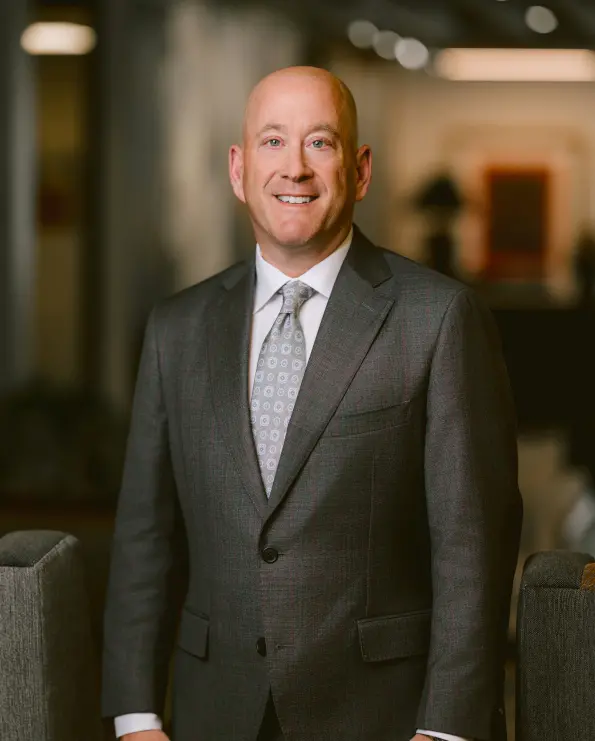
David P. Meyer, Managing Principal of Meyer Wilson Werning, responded directly:
“FINRA has $100 million in surplus funds and chose to give it back to the very firms it regulates rather than address a crisis that has plagued investors for over two decades. This is a slap in the face to every investor who went through the time, expense, and emotional toll of proving their case at a hearing, winning an award, and then being told they’ll never collect.”

We Have Recovered Over
$350 Million for Our Clients Nationwide.
The Problem With Unpaid Awards
The concern is not abstract. According to investor advocacy data, nearly 30% of investors who win FINRA arbitration awards never receive payment, with unpaid awards totaling approximately $200 million between 2012 and 2017 alone. In some of those years, more than 35% of all winning awards went completely uncollected.
The structural gap driving this is straightforward. Broker-dealers face minimal net capital requirements and are not required to carry errors and omissions insurance. When misconduct occurs and a firm faces a losing arbitration award, it can dissolve before the investor collects a dollar. The money FINRA chose to return to those same firms was, according to MWW, precisely the kind of resource that could have begun fixing that problem.
PIABA, the Public Investors Advocate Bar Association and the national bar association representing investor attorneys, has separately raised alarms over FINRA’s rebate decision. Meyer Wilson Werning joined that call, urging policymakers and regulators to implement structural reforms that would require member firms to maintain adequate capital and insurance coverage.
How the FINRA Arbitration Process Works
Most investors do not realize that when they open a brokerage account, the agreement they sign requires any future disputes to be resolved through FINRA arbitration, not in court. The process moves from a filed Statement of Claim, through a response from the firm, arbitrator selection, document discovery, and a formal hearing, before a panel issues a binding award. From start to finish, cases typically take between 12 and 16 months.
That binding award is the finish line most investors are working toward. When a panel rules in an investor’s favor, the firm is required to pay within 30 days. The structural problem at the center of MWW’s public statement is that nearly 30% of the time, that payment never comes. Firms facing an adverse award can dissolve before the obligation is met, and there is no mandatory fund to cover the gap. That is exactly what the FINRA rebate could have begun to fix.
Our lawyers are nationwide leaders in investment fraud cases.
Why This Coverage Matters
Meyer Wilson Werning’s position on this issue reflects the firm’s broader mission: holding the financial industry accountable not just in individual arbitration cases, but at the systemic level. The national press attention generated by this story is a direct extension of that work, bringing the unpaid awards crisis to a wider audience and adding public pressure to a structural problem that has gone unaddressed for more than two decades. We also shared our position on Facebook following the announcement.
We Are The firm other lawyers
call for support.
Frequently Asked Questions
What is FINRA?
FINRA, the Financial Industry Regulatory Authority, is the self-regulatory organization that oversees broker-dealers in the United States. It sets conduct rules for member firms, enforces compliance, and administers the arbitration process through which investors resolve disputes with their brokers.
What is a FINRA arbitration award?
When an investor files a claim against a broker or brokerage firm through FINRA’s dispute resolution system and wins, the arbitration panel issues a binding award requiring the firm to pay damages. Winning that award, however, does not guarantee the investor will ever collect it.
Why do so many FINRA arbitration awards go unpaid?
Broker-dealers are not required to carry errors and omissions insurance or maintain capital reserves sufficient to cover arbitration awards. When a firm engages in misconduct and loses a case, it can dissolve or liquidate its assets before the investor collects. There is currently no mandatory compensation fund to cover those losses.
What is PIABA?
PIABA, the Public Investors Advocate Bar Association, is the national bar association representing attorneys who advocate for investors in securities disputes. Meyer Wilson Werning’s David Meyer is a PIABA Past President, and Courtney Werning is on track to become PIABA President in 2027, which would make her just the fourth woman to hold that role in the organization’s history.
What reforms is Meyer Wilson Werning calling for?
MWW is urging policymakers and regulators to require broker-dealers to maintain adequate capital reserves and carry errors and omissions insurance, so that investors who win arbitration awards can actually collect them. The $100 million FINRA rebate represented a concrete opportunity to begin addressing that gap rather than returning funds to the firms responsible for the crisis.
Recovering Losses Caused by Investment Misconduct.